

The Story of the Love Room: From Japan's Romance Hotels to a French Phenomenon
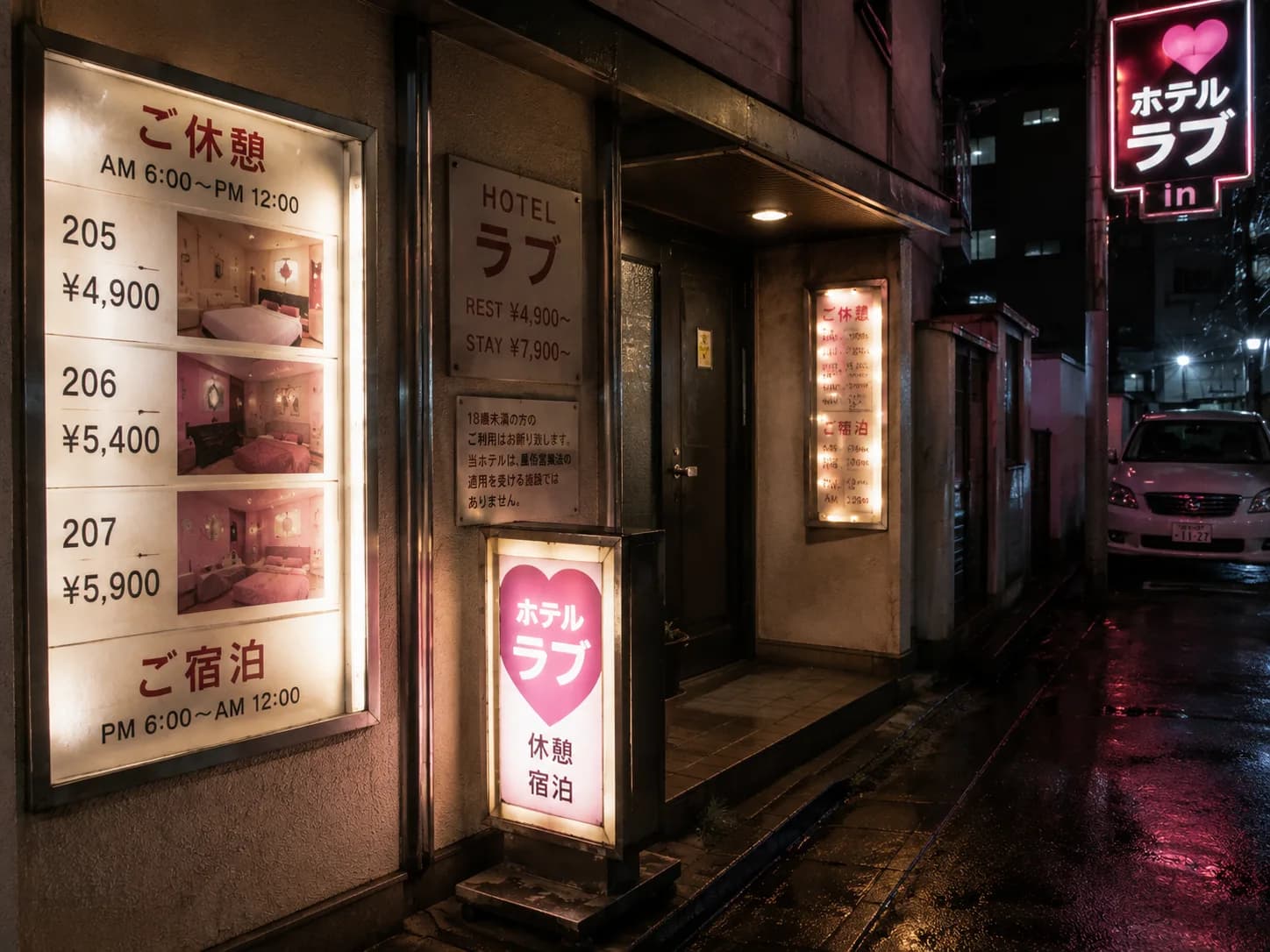
Today, the Love Room seems to have found a natural place in France's tourism landscape. You'll find them in big cities, out in the countryside, by the sea, and in old outbuildings that have been completely converted. Yet this type of accommodation is still fairly recent in France, and its history is more complicated than you might imagine.
The French version of this concept doesn't come from a single model. It draws on Japan's short-stay hotels for couples, themed hotel rooms, unusual rentals and romantic suites with a private spa. Over the years, these various influences have come together into something quite specific: a self-contained place to stay, designed not just for sleeping but, above all, for offering couples an intimate experience.
The origins of the concept in Japan
To understand the history of the Love Room, you have to go back to Japan's short-stay hotels for couples. Their modern development began after the Second World War, although Japan already had venues before that allowed couples to meet discreetly.
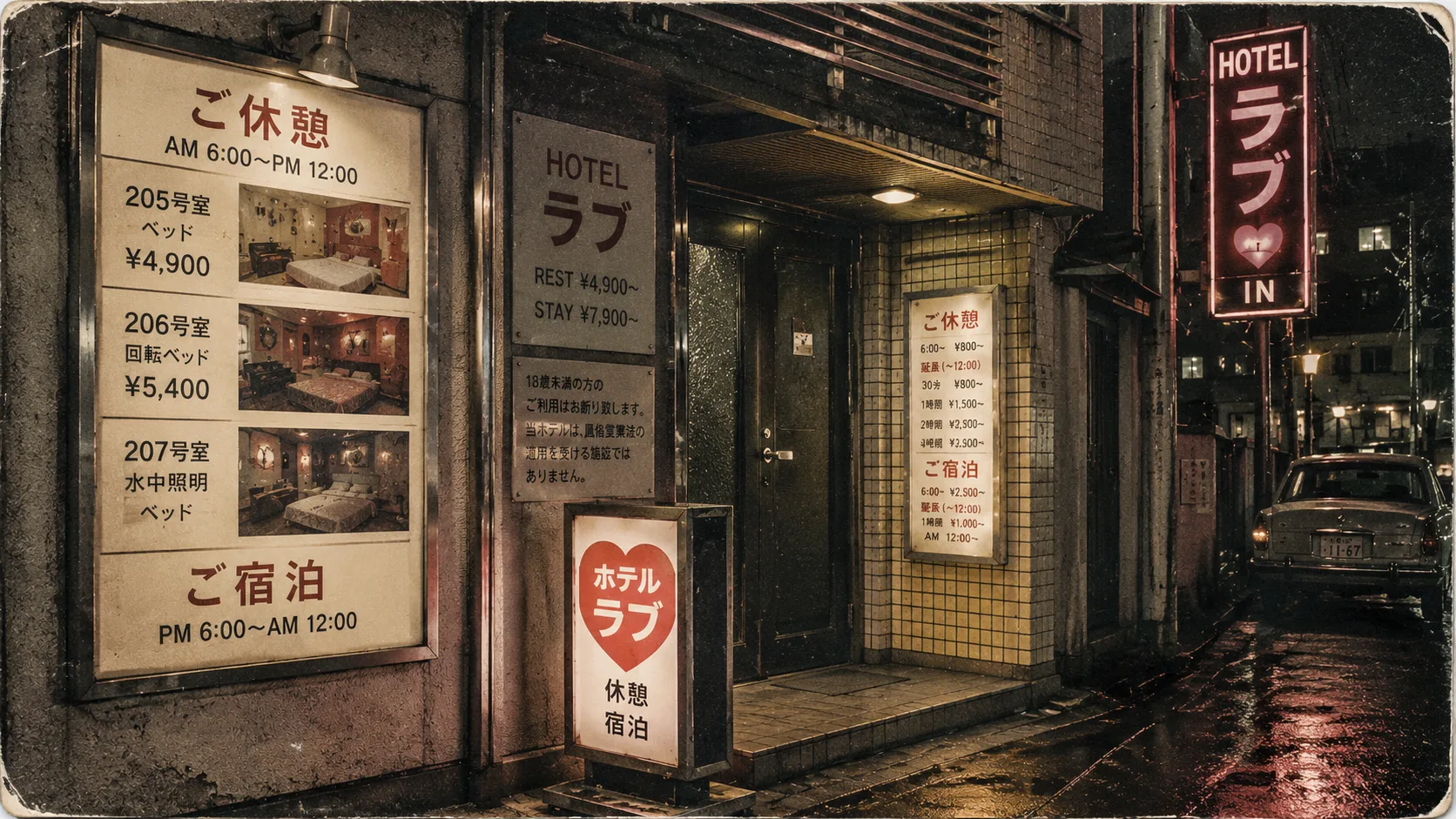
In the 1950s and 1960s, many Japanese homes were small and often housed several generations under one roof, leaving couples with little privacy of their own. Inns began offering rooms by the hour, with discreet entrances and minimal contact with staff.
The expression used to describe these venues became widespread in the late 1960s and early 1970s. One of the establishments often credited with popularising it is Hotel Love, which opened in Osaka in 1968. In the years that followed, the concept became far more spectacular, with castle-shaped façades, themed rooms, elaborate beds, coloured lighting and unusual features.
These Japanese short-stay hotels were never simply romantic hotels. Their main purpose was to offer discretion and privacy, with rooms that could be booked for a short stay or for the night. Everything about how they operated was designed to limit interaction: choosing a room on a screen, automated payment, hidden parking and a barely visible reception desk.
From Japan's short-stay hotels to the French Love Room
The Love Room in France isn't an exact copy of the Japanese model. It borrows the core idea — creating a private space reserved for a couple — but adapts it to French habits.
In Japan, a stay of just a few hours has historically been part of the concept. In France, this style of accommodation has developed more around the overnight stay, the romantic weekend and seasonal rental. Guests typically book an entirely private apartment, house, suite or holiday cottage.
The décor, too, tends to be less flamboyant. Some places lean into an openly erotic style, but many favour a romantic, cosy or upscale atmosphere instead, with a private hot tub, sauna, steam room or fireplace.
This French take reshapes the original concept. The room is no longer just a discreet place to meet for a few hours — it becomes a destination in its own right, sometimes chosen for Valentine's Day, an anniversary, a marriage proposal, or simply as a break from routine.
The first Love Rooms in France
It's difficult to pinpoint the very first French property of this kind with certainty. Before the term became popular, hotels were already offering themed rooms, suites with a hot tub and packages aimed at couples.
One of the earliest ventures explicitly built on the Japanese model, however, was the Love Hôtel de Paris, on Rue Saint-Denis. Paris's tourist office describes it as the first establishment of its kind in France. Its themed rooms could be booked for a full night or for a shorter stay, in a way that closely echoed Japan's short-stay hotels.
At that point, in the early 2010s, the concept was still fairly niche. The term "Love Room" wasn't widely used, and the offering was mostly limited to a handful of urban establishments and independent rentals that were hard to track down.
The rise of short-term rentals then paved the way for standalone properties designed specifically with couples in mind.
The phenomenon accelerates after 2020
The real boom in French Love Rooms came in the early 2020s. Lockdowns, travel restrictions and the desire to get away close to home all encouraged short breaks and private experiences.
Couples began looking for places they could drive to, where they could enjoy a spa, have dinner and spend the evening without setting foot in a hotel's communal areas. This type of romantic getaway was perfectly suited to that new demand.
The number of properties then grew rapidly. According to Le Monde, France had only a handful of Love Rooms before 2020, compared with more than a thousand recorded just a few years later. The trend took hold in major cities and rural areas alike.
This growth has attracted investors, as well as owners of holiday cottages and seasonal rentals looking to set their properties apart. The Love Room has gradually become a recognisable category in its own right, with its own conventions, amenities and specialist booking platforms.
A Love Room is no longer just a red room
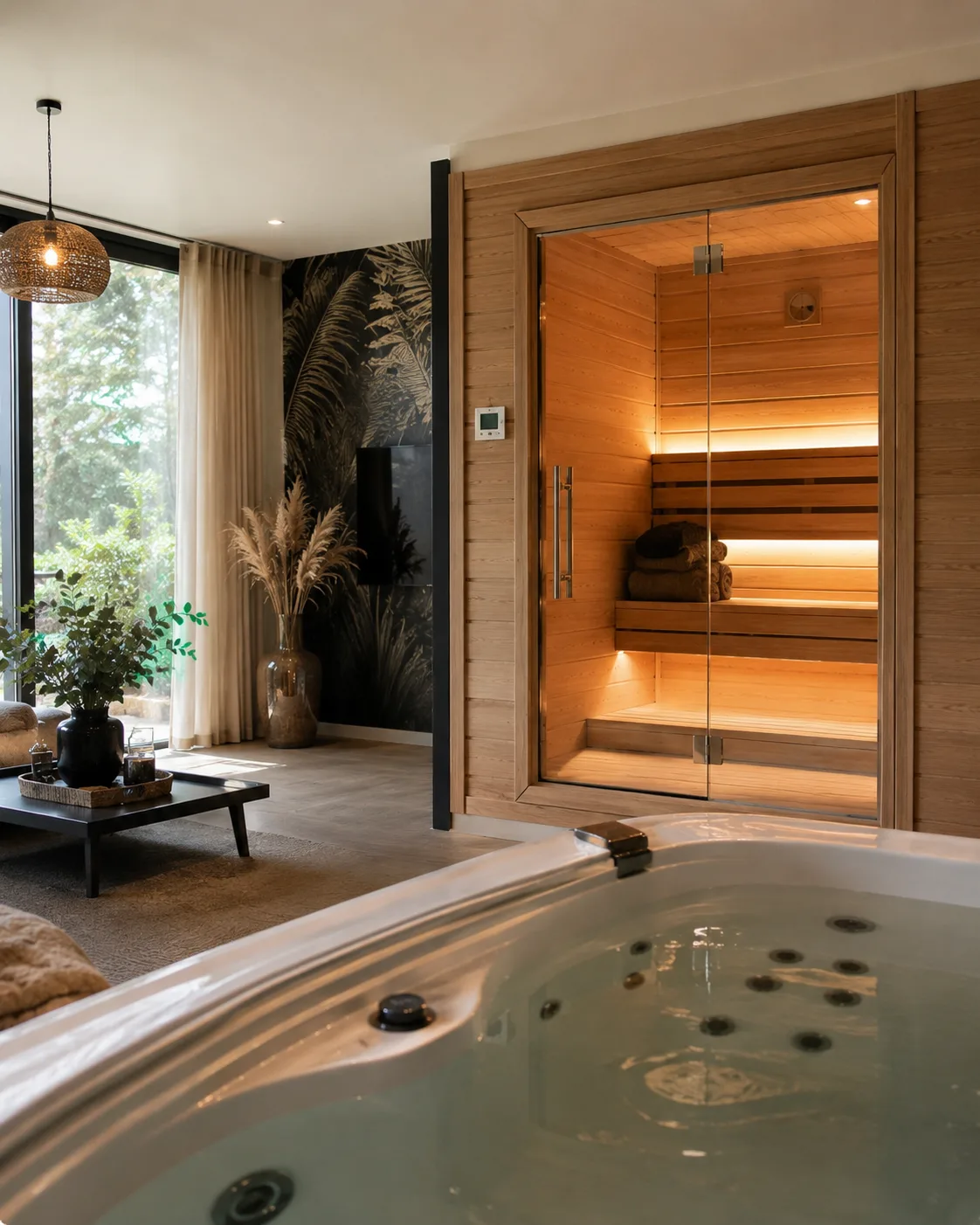
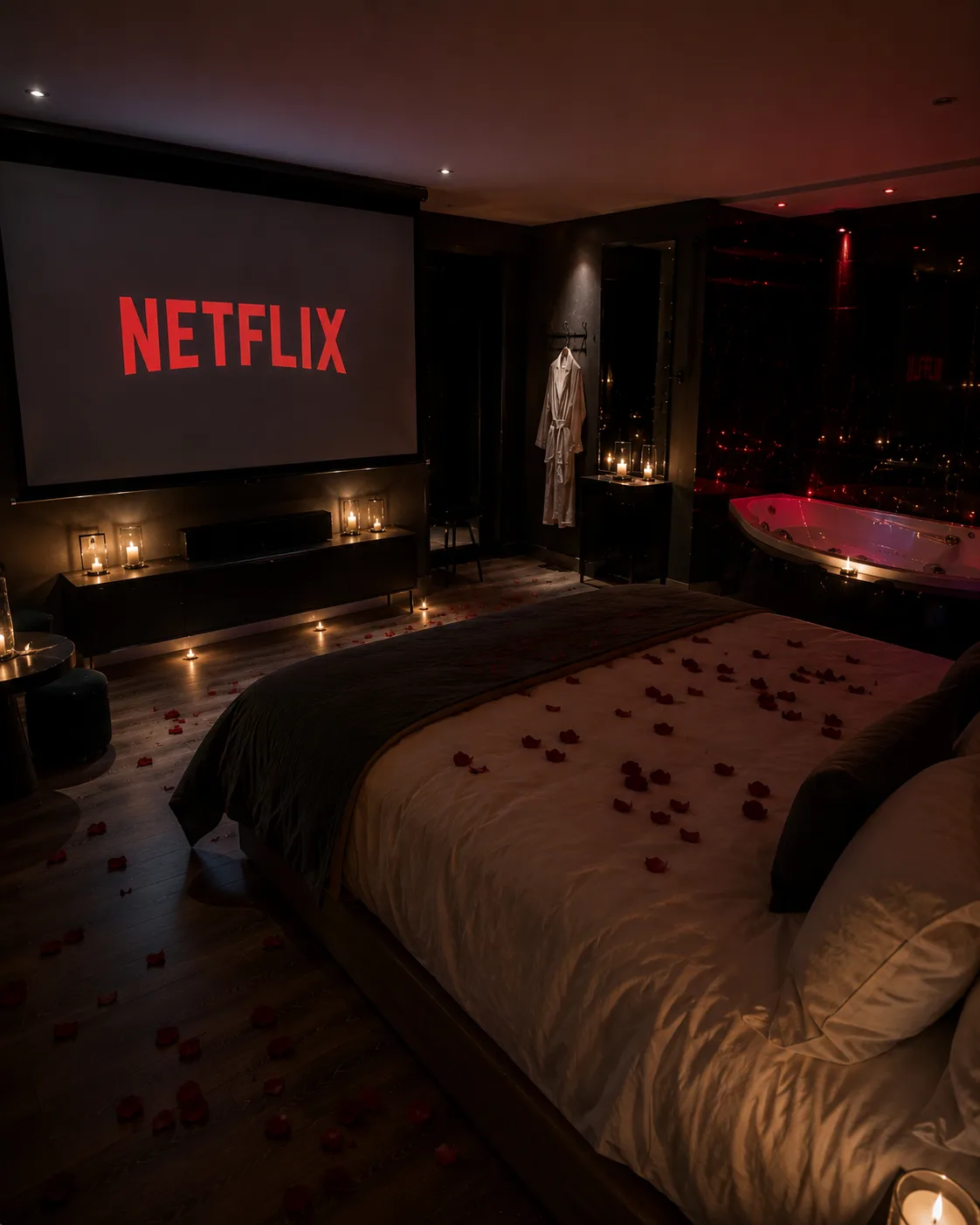
Early depictions of the concept tended to rely on the same elements: red walls, rose petals, mirrors and a hot tub. Today's market is far more varied.
Some romantic suites take their cues from luxury hotels. Others go for the feel of a chalet, a cabin, an industrial loft, a tropical suite or a private cinema. The most sensual properties may include a St Andrew's cross, a tantra sofa or a secret room, while others stay entirely focused on romance and relaxation.
This variety helps explain the concept's success. This kind of romantic suite is no longer aimed at one type of couple or one particular occasion — it might host a marriage proposal, a wedding night, an anniversary or a spontaneous getaway.
From a discreet room to a romantic experience
The history of the Love Room is ultimately a story of transformation. The Japanese model was, above all, a response to a need for privacy in a society where personal space was limited. Once the concept reached France, it moved closer to experiential travel and unusual rentals.
The French version keeps that discretion and its adults-only character, while adding a private spa, considered décor, personalised services and the idea of stepping away from everyday life.
What was once a niche offering has become a genuine market. The next chapter in its story will likely be written through better-quality experiences, hosts becoming more professional, and specialist platforms making these properties easier to discover and book.